
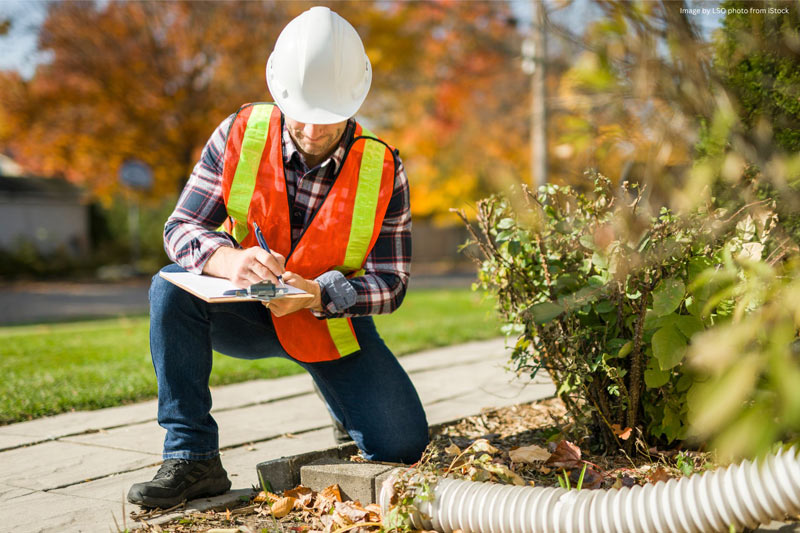
Septic System Maintenance Checklist for San Diego County Homeowners
Owning a property with a septic system means following a consistent septic system maintenance routine. A proactive maintenance schedule helps reduce the risk of backups, protects the drain field, and extends the life of your septic system. Whether you own a home, commercial property, or manage an HOA in North County San Diego, routine maintenance and professional septic inspection services can prevent costly repairs.
For homeowners in San Marcos, North County San Diego, and rural San Diego County communities, following a septic system maintenance checklist can help prevent backups, protect the drain field, and reduce the risk of costly emergency repairs.
Use the checklist below as a practical guide for what to monitor each month, inspect annually, and schedule every few years.
Why Septic System Maintenance Matters
A well-maintained septic system can provide reliable service for 20 to 40 years or more. Without regular maintenance, sludge accumulates inside the tank, components wear out unnoticed, and untreated wastewater can damage the drain field. These issues often lead to unpleasant odors, slow drains, sewage backups, and costly replacements.
Following a regular septic system schedule helps homeowners identify small issues before they become expensive failures. Annual septic inspections and routine septic services keep every part of the septic system functioning efficiently.
Routine septic system maintenance can:
- Reduce the likelihood of unexpected failures
- Catch minor issues before they become major repairs
- Protect your property’s value
- Keep wastewater flowing efficiently
- Extend the lifespan of your septic system
Investing a little time in preventative care today is far less expensive than replacing a failed septic system later.
Monthly Septic System Maintenance Checklist
Monthly septic system checks don’t take much time, but following a consistent maintenance schedule helps protect your septic system throughout the year.
Be Mindful of What Goes Down the Drain
Your septic system relies on naturally occurring bacteria to break down waste. Certain materials interfere with that process or create blockages.
Avoid flushing or washing:
- Grease and cooking oil
- Paper towels
- “Flushable” wipes
- Feminine hygiene products
- Coffee grounds
- Harsh chemical cleaners
- Paint, solvents, or automotive fluids
The safest rule is simple: flush only human waste and toilet paper.
Watch for Early Warning Signs
A quick walk around your property each month can reveal developing problems before they become emergencies.
Look for:
- Wet or unusually green areas above the drain field
- Sewage odors
- Slow-draining sinks or tubs
- Gurgling toilets or plumbing fixtures
- Standing water near septic system components
If any of these warning signs appear, schedule a professional septic inspection as soon as possible. Early septic inspection services often identify small problems before they lead to major septic system repairs.
Use Water Wisely
Excessive water entering the septic system over a short period can overwhelm the tank and drain field.
To reduce unnecessary strain:
- Repair leaking toilets and faucets promptly.
- Spread laundry loads throughout the week.
- Install water-efficient fixtures when possible.
- Avoid running multiple water-intensive appliances at the same time.
Annual Septic Inspection and Septic System Maintenance
An annual septic inspection is one of the most important parts of any maintenance schedule. Professional septic inspections evaluate the condition of your septic system and help determine whether pumping or repairs are needed.
During a septic inspection, a technician may:
- Examine the tank and baffles
- Measure sludge and scum levels
- Inspect inlet and outlet components
- Test pumps, alarms, and floats, when applicable
- Evaluate drain field performance
- Check for leaks, cracks, or structural damage
Annual septic inspections also help determine whether it’s time to schedule septic tank pumping. Keeping up with your annual septic inspection provides valuable documentation for your ongoing maintenance schedule and helps extend the life of your septic system.
Every Three Years: Septic Tank Pumping and Maintenance Schedule
Regular pumping is one of the most important parts of long-term septic system maintenance.
Pumping is a critical part of every septic system plan. Combined with annual septic inspections, regular pumping helps prevent sludge buildup and protects your septic system.
Many residential tanks should be evaluated for pumping approximately every three years. However, the ideal maintenance schedule depends on several factors, including:
- Household size
- Tank capacity
- Daily water usage
- Garbage disposal use
- Commercial or multi-property demand
Waiting too long allows sludge to accumulate, increasing the risk of clogged pipes, damaged drain fields, and septic system failure. A qualified provider of septic services can recommend the right service schedule based on your household size, water usage, and overall septic system demands.
Additional Ways to Protect Your Septic System
Good septic system maintenance extends beyond pumping and inspections. Following a complete maintenance schedule helps preserve every component of your septic system for years to come.
Protect the Drain Field
The drain field is designed to absorb and filter wastewater. Heavy weight placed above it can compact the soil and damage underground components.
Avoid:
- Parking vehicles on the drain field
- Building sheds or other structures over it
- Installing patios or swimming pools above septic system components
- Storing heavy equipment in the area
Keep Trees and Shrubs at a Safe Distance
Tree roots naturally grow toward moisture and can enter underground pipes or tanks through small openings. Plant new landscaping well away from the septic system to reduce the chance of root intrusion.
Maintain Service Records
Keep copies of:
- Septic inspection reports
- Pumping dates
- Repair records
- System diagrams
- Service recommendations
Keeping organized records makes future septic inspections, septic services, and ongoing maintenance much easier.
When to Call a Septic Professional
Even with a good septic system service schedule, some situations require immediate professional septic services. Contact a qualified provider if you notice:
- Repeated sewage backups
- Persistent septic odors
- Standing water near the drain field
- Slow drainage throughout the home
- Alarm activation on advanced septic systems
- Saturated areas that never seem to dry
Addressing these issues early can often prevent extensive repairs and reduce long-term costs.
Serving North County San Diego Property Owners
Routine septic system maintenance helps residential, commercial, agricultural, and HOA properties throughout North County San Diego avoid costly repairs and unexpected failures. From annual septic inspections to scheduled pumping and complete septic services, maintaining your septic system protects your investment and keeps wastewater flowing efficiently. Following a professional maintenance schedule is the best way to maximize the lifespan of your septic system.
For professional septic inspections, customized maintenance recommendations, and septic services, visit Bob’s Septic Service at https://www.bobssepticserviceinc.com/.
Frequently Asked Questions
How often should septic systems be inspected?
Most septic systems should receive a professional septic inspection once a year. Annual septic inspections are recommended as part of a complete septic system maintenance plan because they help identify developing issues before they require expensive repairs.
How often should a septic tank be pumped?
Many residential tanks need pumping approximately every three years, although household size, water usage, and tank capacity may require a different maintenance schedule. Your pumping interval should be based on a professional septic inspection and your property’s customized schedule.
Can regular maintenance prevent septic backups?
Yes. Regular maintenance, annual septic inspections, and scheduled septic services significantly reduce the risk of backups, drain field damage, and premature septic system failure.
What is the most common mistake homeowners make?
Many people ignore early warning signs such as slow drains or unpleasant odors. Delaying septic system maintenance or skipping a recommended septic inspection often allows small issues to become much larger repairs.
What does a septic inspection include?
A professional septic inspection typically includes checking the tank, measuring sludge and scum levels, inspecting baffles, evaluating pumps and alarms when applicable, and assessing the drain field. Regular septic inspections are an essential part of every maintenance schedule.
Conclusion
A septic system performs best when septic system maintenance becomes part of a consistent schedule rather than a response to emergencies. Monthly monitoring, annual septic inspections, and routine pumping all work together to protect your septic system, preserve the drain field, and reduce long-term repair costs.
If your property is in North County San Diego or the surrounding communities, Bob’s Septic Service provides trusted septic services, including septic inspections, repairs, and customized maintenance recommendations for residential, commercial, agricultural, and HOA properties.